INVITATION
The Master’s Programme in Interlinguistic and Intercultural Studies (School of Language Sciences, Universidad del Valle) is pleased to invite you to our event. The V International Symposium on Interlinguistic and Intercultural Contacts, whose central theme is Weaving Knowledge: Building Paths towards Decoloniality in the Global South, will be held online from November 5th to 7th, 2026.
THEMATIC AXES
-
Epistemologies of the south, interculturality, diversities, and education in bi/pluri/multilingual contexts.
-
Translation, interpretation, guide-interpretation, and terminology from Global South intercultural and interlinguistic perspectives.
-
Relationships between curriculum and linguistic and educational policies from a Global South perspective.
-
Computer-mediated communication, AI and their role mother and additional language study and teaching: a critical perspective.
-
Acquisition, teaching and evaluation of mother and additional languages: cognitive and social perspectives.
ADDRESSED TO:
-
Higher education teachers
-
Researchers
-
Primary and secondary education teachers
-
Teachers and administrators of language institutes or centers
-
Undergraduate and graduate students in related fields
-
Educational institutions managers
-
Government officials
-
Community working groups interested in the event themes
Languages: Written proposals will be accepted in Spanish, English, French, and Portuguese. Concurrent session presentations may be delivered in these languages, as well as in Colombian Sign Language and Indigenous Colombian languages.
THEMATIC AXES
Computer-mediated communication, AI and their role mother and additional language study and teaching: a critical perspective
Epistemologies of the south, interculturality, diversities, and education in bi/pluri/multilingual contexts
This axis addresses critical or decolonial perspectives on language and culture contact. It includes multiple diversities in educational, socio-cultural, political, and ethnic contexts, as well as the development and evaluation of intercultural communication skills, pluralistic and inclusive didactic and curricular approaches to literature and interculturality.
This axis includes theoretical and practical discussion on digital communication, telecollaboration, and artificial intelligence in language teaching and research within intercultural contact situations –both face-to-face and virtual. It also addresses ethical challenges related to new technologies and IA integration in education and research.
Translation, interpretation, guide-interpretation, and terminology from Global South intercultural and interlinguistic perspectives
This axis addresses the epistemological foundations and practices of translation, interpretation, guide-interpretation, and terminology. It aims to meet the needs and challenges of oral, written, and viso-gestural communication across personal, social, academic, administrative, and professional settings.
Topics include translator and interpreter training, ethics in translation and interpretation, textual, cognitive, and corpus linguistics, intercultural mediation, and decolonial uses of technology in translation, terminology, and interpretive practices.
Acquisition, teaching and evaluation of mother and additional languages: cognitive and social perspectives
Relationships between curriculum and linguistic and educational policies from a Global South perspective
This axis focuses on the design, interpretation, appropriation, and evaluation of curricula and language education policies. It discusses challenges, progress, and achievements at macro, meso, and micro levels, in diverse cultural and educational contexts.
This axis examines theoretical and practical views on the processes of language acquisition, teaching, and evaluation from cognitive and social dimensions.
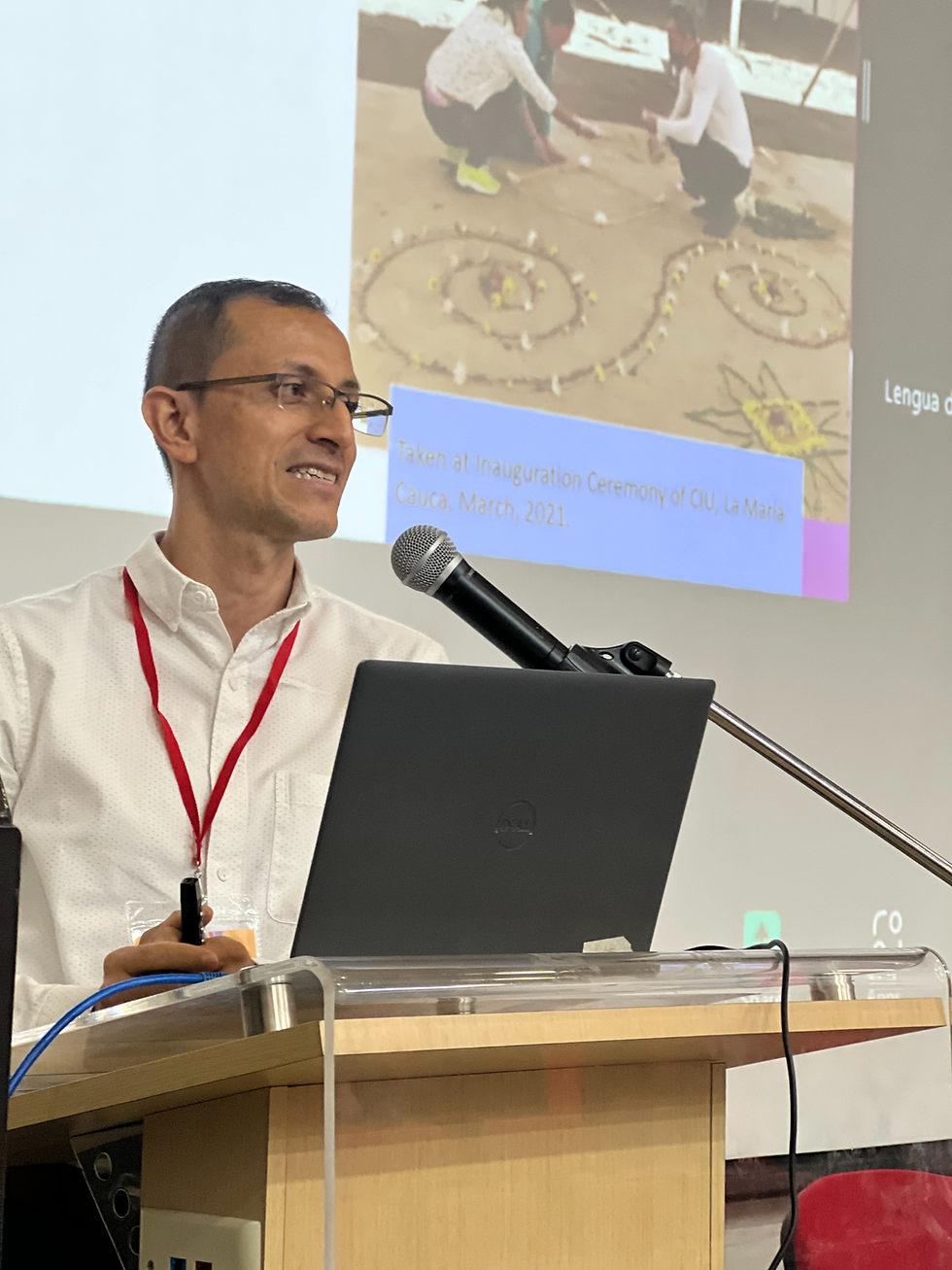
Presentations (20 Min)
Participation formats
State of the art, research proposals, theoretical reflections, partial or final results, or educational/pedagogical/
community experiences.
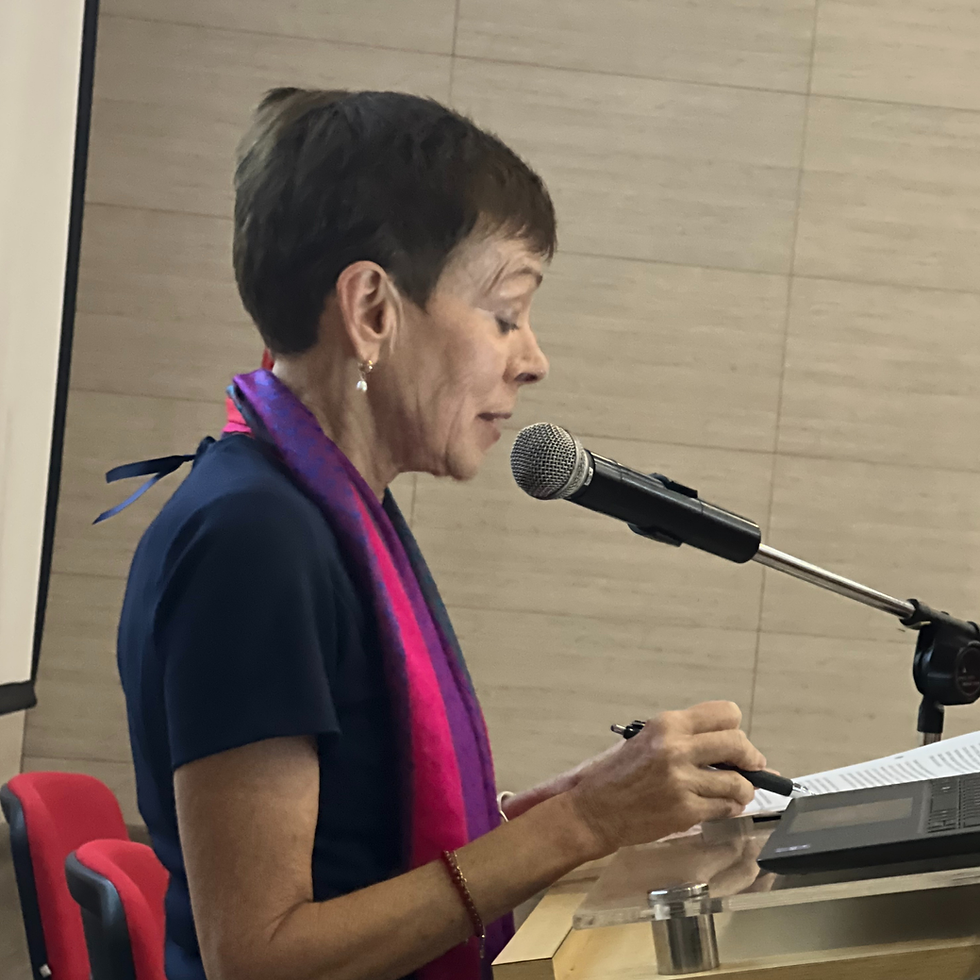
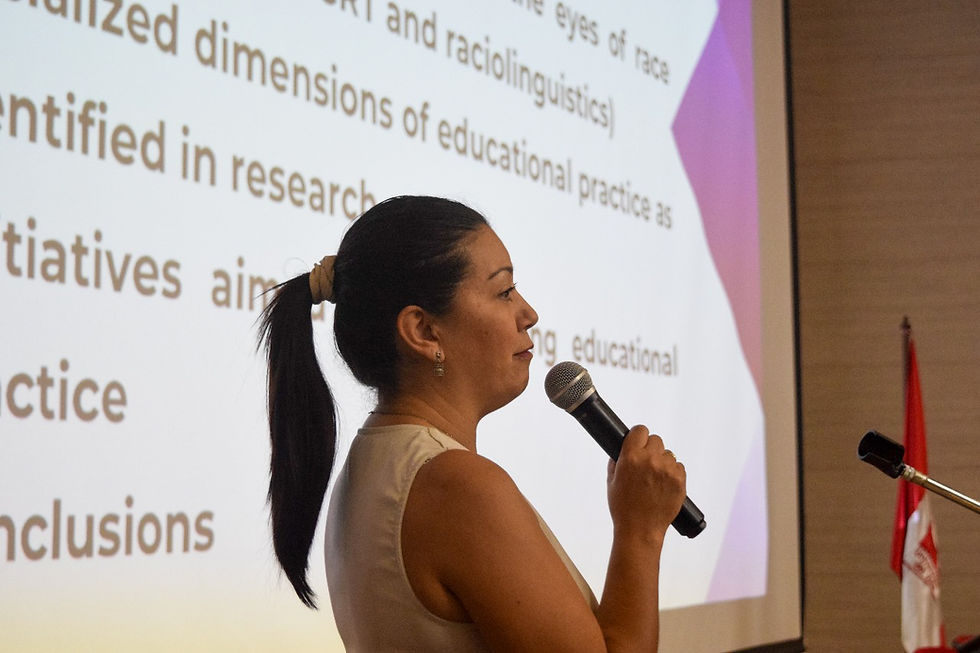
Workshops (1 Hour)
Presentation plus practical activity focused on didactics or applied problem-solving.
Poster session (15 Min)
Visual presentation of research reports, theoretical discussions, or experiences. Attendees circulate and interact with presenters.
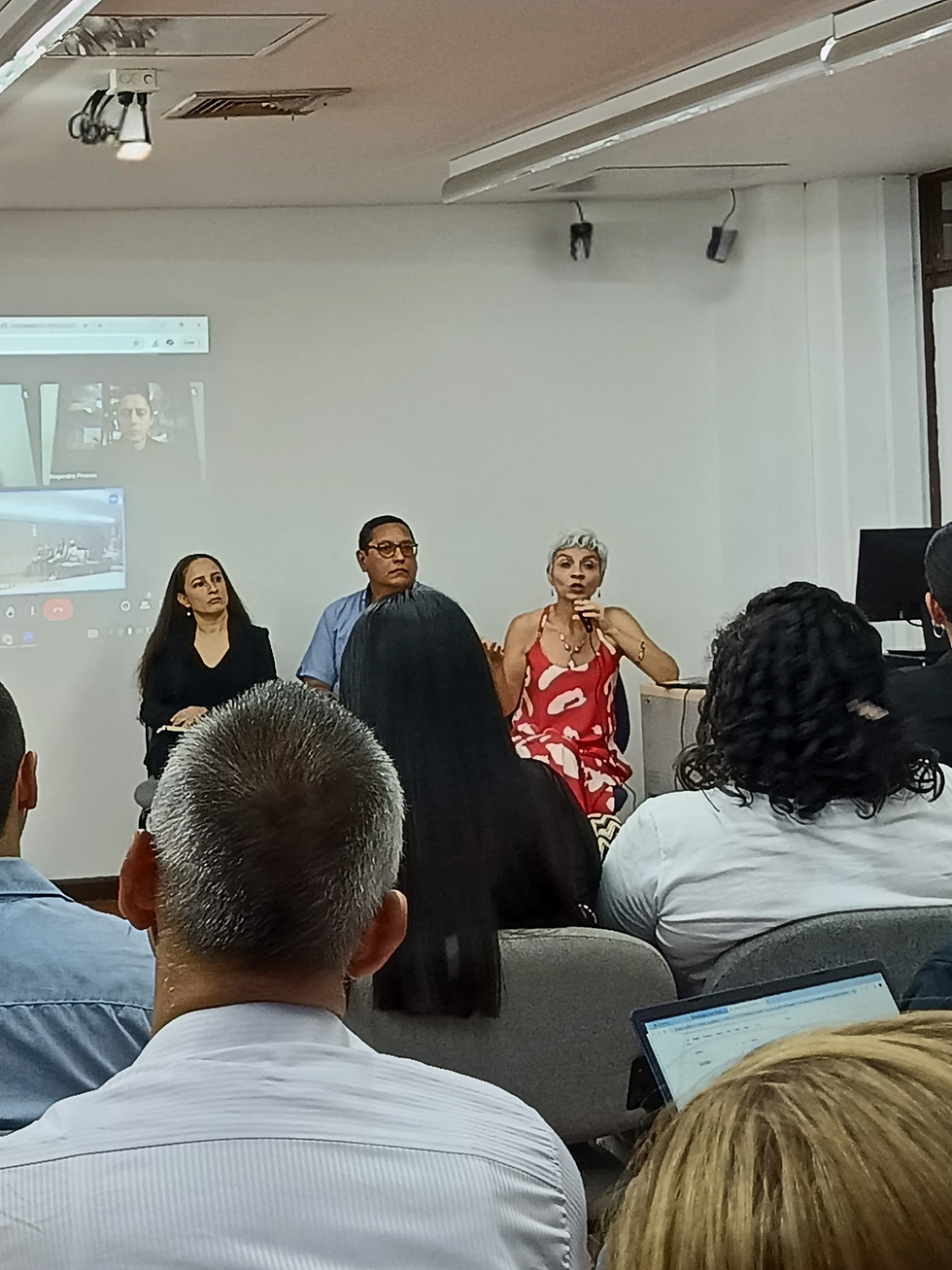
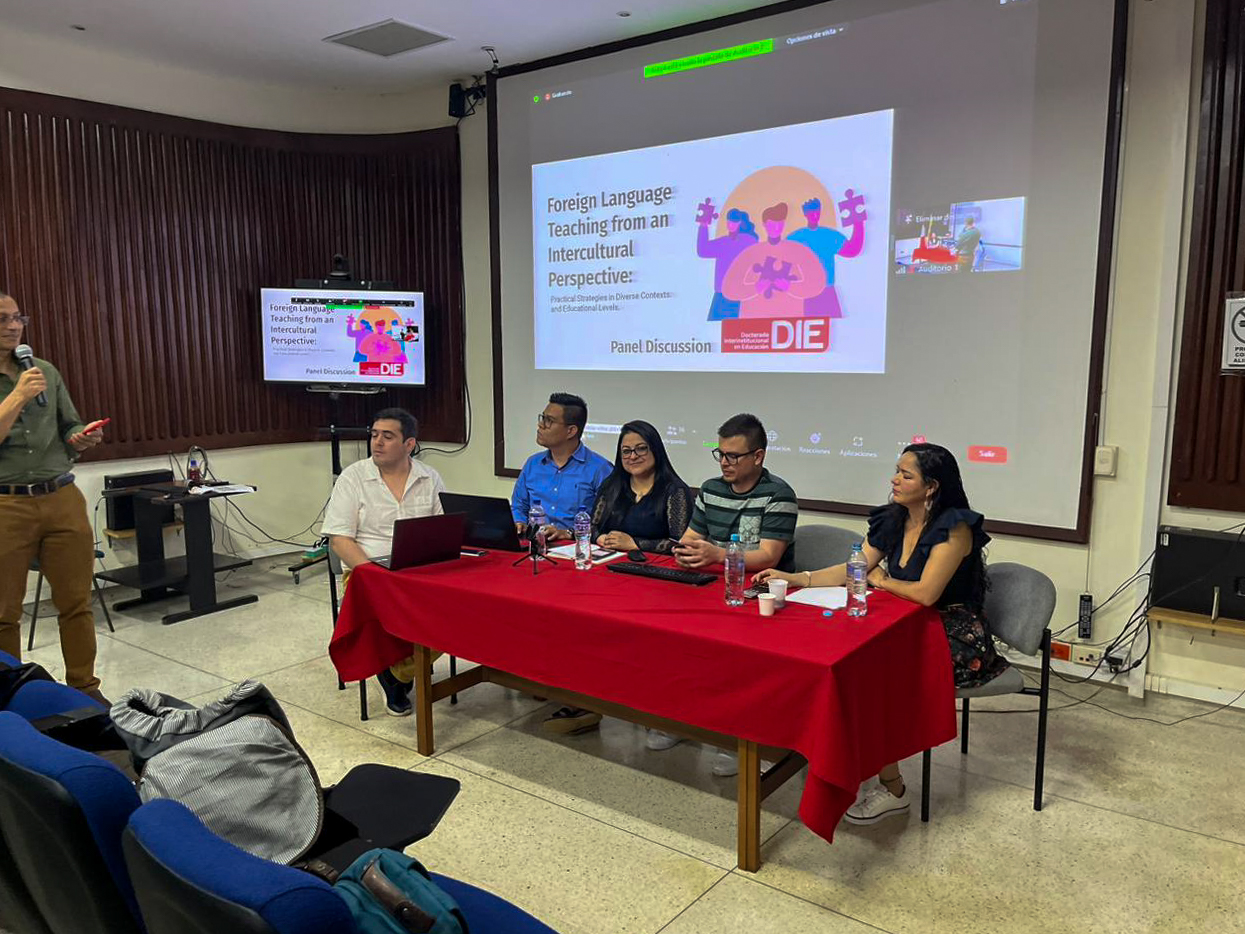
Panel discussions (2 Hours)
Up to 6 panelists present and discuss a topic linked to a thematic axis. One panelist leads the session and coordinates interventions.

Book presentations (20 Min)
Presentation of books published in the last three years on relevant topics. Presenters introduce the volume, its origin, organization, and content.
NATIONAL PAYMENTS
INTERNATIONAL PAYMENT
Tariffs (COP)
Explore our categories and their rates for the Symposium:
Students
Teachers and Researchers
From 5 to 9 people
From 10 to 19 people
$130.000 COP
5%
10%
Categories
Since 30th October
$210.000 COP
Group rates
From 20 people onwards
15%
(speakers/assistants/teachers/ students)
(Individual)
Discount Percentages

Próximamente
XXXXXXXXXXXXXXXXXXXXXXXXXXXXXXXXXXXXXXXXXXXXXXXXXXXXXXXXXXXXXXXXX
SPECIAL GUESTS
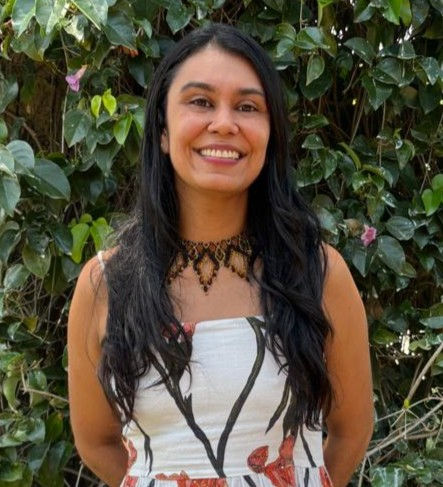

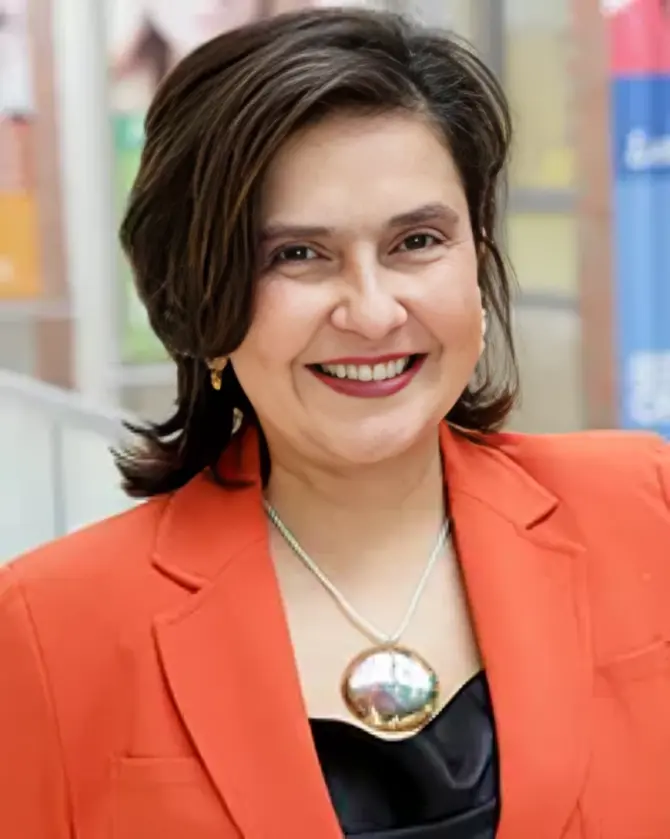

Tatiana Becerra Posada
XXXXXXXXXXXXXXXXXXXXXXXXXXXXXXXXXXXXXXXXXXXXXXXXXXXXXXXXXXXXXXXXX
Norbella Miranda nieves
XXXXXXXXXXXXXXXXXXXXXXXXXXXXXXXXXXXXXXXXXXXXXXXXXXXXX
María cristina montoya
XXXXXXXXXXXXXXXXXXXXXXXXXXXXXXXXXXXXXXXXXXXXXXXXXXXXXXXXXXXX
Ivan Sánchez Huerta
XXXXXXXXXXXXXXXXXXXXXXXXXXXXXXXXXXXXXXXXXXXXXXXXXXXXXXXXXXXXXXXXXXXXXX


Próximamente
XXXXXXXXXXXXXXXXXXXXXXXXXXXXXXXXXXXXXXXXXXXXXXXXXXXXXXXXXXXXXXXXX
Próximamente
XXXXXXXXXXXXXXXXXXXXXXXXXXXXXXXXXXXXXXXXXXXXXXXXXXXXX
Próximamente
XXXXXXXXXXXXXXXXXXXXXXXXXXXXXXXXXXXXXXXXXXXXXXXXXXXXXXXXXXXX
Próximamente
XXXXXXXXXXXXXXXXXXXXXXXXXXXXXXXXXXXXXXXXXXXXXXXXXXXXXXXXXXXXXXXXXXXXXX